
On-Chain Metrics for Beginners: Active Addresses, Fees and Realized Cap
Active addresses, fees and realized cap show how a network is actually being used. Here is what each...

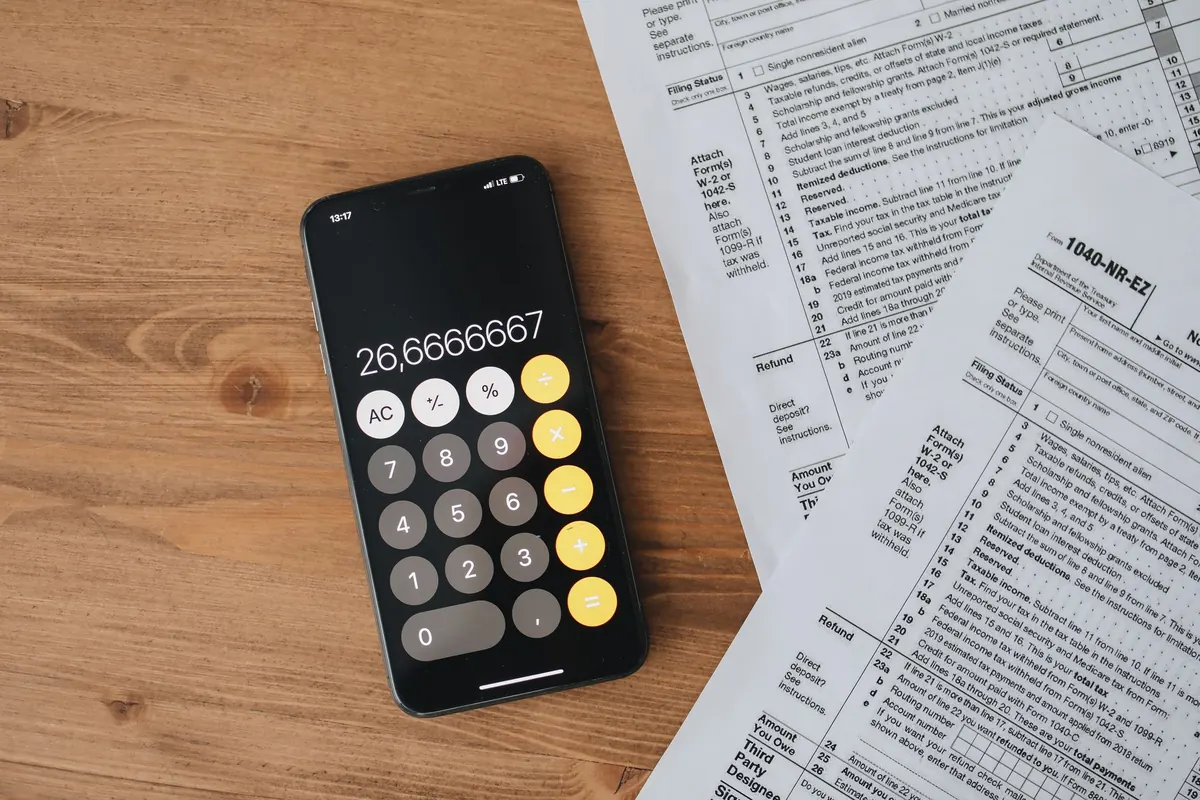
The last weeks of the year are usually for checking positions, not reconstructing a year of transactions from memory. Crypto tax work is easier when you treat it as a records exercise first and a calculation second. Before filing season arrives, set aside an evening to review what you traded, moved, earned, and lost. The checklist below is general rather than jurisdiction-specific; tax rules for crypto vary widely, so confirm the details with a local tax professional before you file.
Start by exporting history from every exchange, brokerage, wallet, and custodial service you used during the year. Do not rely on a single CSV from your main exchange. Old accounts, dormant wallets, payment apps, and staking dashboards can all hold transactions that matter.
Download annual statements and transaction exports, then reconcile them against your own memory of the year. A missing withdrawal often appears as a transfer with no destination. A missing deposit can look like income or a disposal. Catching those gaps now is far easier than explaining them later.
Most crypto tax preparation comes down to disposals: selling crypto for fiat, swapping one asset for another, or paying for goods and services. In many jurisdictions, those actions can be taxable events even when no money reaches your bank account. A swap from one token to another is not automatically a neutral move. Paying for a laptop with crypto is not simply a purchase. Each event may need a date, proceeds, cost basis, and fee record.
Small trades count. Rebalancing a portfolio, converting a stablecoin, or selling a tiny test amount can create a record that belongs in your filing. If you only review bank deposits, you will miss most of the year’s activity. Tax software can help organize the data, but it only knows what you feed it.
If you bought the same asset several times, identify which lots you sold and use a cost-basis method your jurisdiction allows. Do not guess. Keep the supporting trade history so the number can be defended if questions arise. When a trade involves fees, record them separately; depending on local rules, they may adjust the gain, the cost basis, or the income calculation.
Moving assets between wallets you control is usually not a disposal, but the record still matters. An exchange withdrawal to a hardware wallet, a transfer between two exchanges, or a move from a hot wallet to cold storage needs both sides documented. Without that context, software may treat the outgoing transfer as a sale and the incoming transfer as new property.
Label internal moves as transfers, not as sells. Keep wallet addresses, transaction IDs, dates, and network fees. If you use bridges, wrapped tokens, or multiple chains, pay closer attention: some of those operations can have tax consequences, and the treatment is not identical everywhere. When the transaction is complex, save the details and ask a professional rather than forcing it into the wrong category.
Income is the part of crypto taxes people most often overlook. Staking rewards, lending interest, referral bonuses, cashback, mining payouts, and airdrops can all create taxable income, depending on where you live and how the activity is structured. A common pattern is to treat rewards as income when received at their value at that time, with a later disposal creating a separate gain or loss. That is a general description, not a universal rule.
For each reward, note the date, quantity, source, and fiat value at receipt. If you restake rewards, record that as a new event. If you receive airdrops, note when eligibility was confirmed and when tokens were claimed or sold. Do not bundle a year of staking rewards into one line. A monthly spreadsheet takes minutes to maintain and saves hours in filing season.
Year-end is a sensible time to review positions that are sitting at a loss, but tax savings should not drive your investment decisions. In some jurisdictions, realizing a loss can offset gains or income within limits. Some also have rules that restrict repurchasing the same asset shortly after a loss sale. Check your local rules before acting, and remember that a loss is only realized when you actually dispose of the asset.
Large gifts, charitable donations, business income, and cross-border activity deserve extra care. They can involve different reporting rules and supporting documents. If any of those apply, get advice before the deadline, not after a notice arrives.
Once the transactions are reviewed, create one folder for the tax year. Put the exports, statements, and summaries together so you are not hunting through email in April. Back it up somewhere secure and keep a read-only copy.
Reconcile the totals before you hand anything to a tax preparer. If the numbers do not match, write a short note explaining why. Good records do not make taxes enjoyable, but they make the process shorter and far less fragile.
Pick one afternoon, export everything, label transfers, reconcile the gaps, and summarize income separately from disposals. Flag the questions you cannot answer and set a calendar reminder before filing season. If your activity includes leverage, DeFi, business income, or unusually large gains or losses, speak with a tax professional who understands crypto in your jurisdiction. A calm review now is worth more than a rushed scramble later.
Photo: Polina Tankilevitch / Pexels
Active addresses, fees and realized cap show how a network is actually being used. Here is what each...
A practical 12-point checklist for vetting new crypto tokens: contract permissions, liquidity locks,...
A practical guide for English-speaking residents in Italy on picking a registered exchange, reporting...