On-Chain Metrics for Beginners: Active Addresses, Fees and Realized Cap
Active addresses, fees and realized cap show how a network is actually being used. Here is what each...

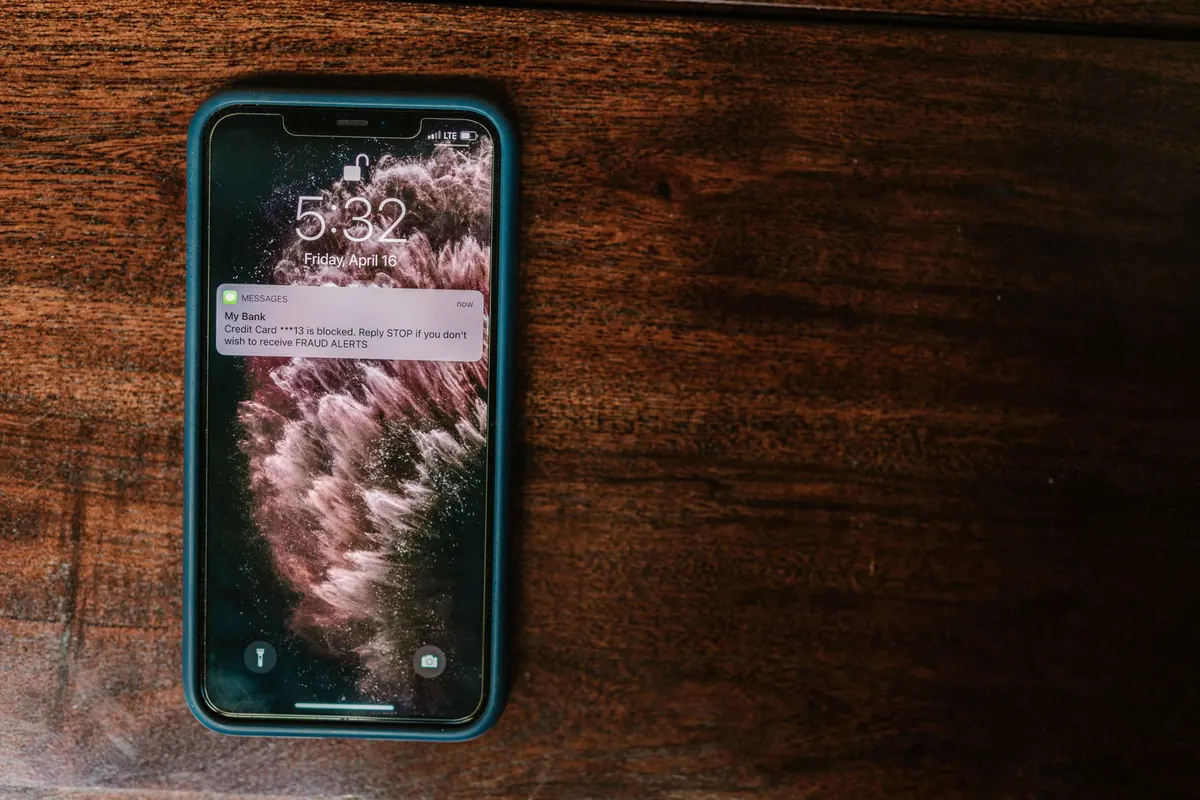
The pitch usually arrives before the chart does: a token with a name that sounds like a joke, a website with a countdown, and a promise that the presale closes in six hours. None of that is evidence of fraud on its own. But each of those details is a place where a careful buyer can pause, look, and decide with facts instead of adrenaline.
Almost every rug pull leaves the same fingerprints, and they are visible before you spend anything. The checklist below is the one worth running through on any new token — the kind of token that has no audit, no history, and a community that appeared last Tuesday.
Every token has an address, and the address is the only thing that cannot lie to you. Copy it from the project's own documentation or official social account — never from a reply, a direct message, or a screenshot — then paste it into a block explorer such as Etherscan, BscScan or Solscan. Scammers clone websites and buy ads against the real name, so a search result is not a source.
First, check whether the source code is verified. Verified code can be read by anyone; unverified code cannot, and there is no good reason for a functioning project to hide it. If the contract tab shows nothing but bytecode, close the tab.
Next, look at what the owner wallet is allowed to do. In the "Write Contract" tab, watch for functions that hand one address power over everyone else:
Renounced ownership is not a clean bill of health. It removes one category of risk and leaves the rest untouched; liquidity, for example, can still be pulled by whoever holds it.
Liquidity is the pool that lets you sell. If the team controls it and can withdraw it in one transaction, your exit depends entirely on their mood. Find the liquidity pool on a tracker or the exchange that hosts it and check the LP tokens: burned to a dead address is the strongest signal, a lock with a reputable third-party locker is next, and "we locked it, trust us" means nothing.
Read the lock terms rather than the badge. A twelve-month lock is worth little if the same team can migrate the pool tomorrow. Look at who added the liquidity and when — a large pool funded minutes before launch, from a wallet with no other history, tells you how much skin the team actually has in the game. And check depth: if a sell of a few thousand dollars would move the price by a third, you are trading in a puddle.
Sort the holder list by size and ignore the burn address and any contract holding the pool. What remains is the group that can dump on you. A handful of wallets holding half the supply is a warning, not a technicality, even when those wallets are labelled "team" in the docs.
Scammers rarely use one wallet. They spread supply across dozens, funded from the same source. Open the largest holders and trace their first incoming transaction: if twenty wallets were all seeded by one address a day before launch, that is one owner wearing twenty masks. A sudden jump in holder count is another tell — an airdrop to thousands of empty wallets creates a chart that looks like adoption and behaves like a ghost town.
You are not looking for enthusiasm. Enthusiasm is cheap and bots are cheaper. You are looking for whether questions get answered. Ask something specific and slightly inconvenient in the project's Telegram — "who holds the owner keys?", "when does the liquidity unlock?" — and watch what happens. A real team answers, even awkwardly. A scam deletes the message and bans you.
Other signals worth weighing:
Any single failure is not always fatal. Two or three together usually are.
Get the address from the official source. Paste it into the explorer. Check verification, then scan the write functions for mint, taxes, blacklist and ownership. Open the holder list, hide the pool and burn wallet, and trace the first funding transaction of the top three. Find the liquidity lock and note the expiry date. Run a honeypot check, then do a small test buy and sell if the token is already trading. Finally, read the last fifty messages in the community chat and see how the team responded to criticism.
If you cannot complete a step, treat that as an answer. Unknown is a red flag, not a neutral state. Decide your position size before you look at the chart, assume you can lose all of it, and remember that skipping a token costs you nothing while buying the wrong one costs everything you put in. For amounts that matter to your finances, it is worth speaking to a licensed financial adviser about how much speculative exposure suits you at all.
Photo: RDNE Stock project / Pexels
Active addresses, fees and realized cap show how a network is actually being used. Here is what each...
A practical guide for English-speaking residents in Italy on picking a registered exchange, reporting...
A practical year-end review of crypto trades, transfers, staking rewards, losses, and records so tax...